Interior Design Forecast 2026: What’s Coming, What’s Evolving & What We’re Leaving Behind
As we look ahead to 2026, the interior design world continues to shift toward spaces that feel grounded, expressive, and deeply personal. The last few years have pushed us to reconsider how our homes support the way we live, work, rest, and connect—and that evolution isn’t slowing down. In fact, 2026 is shaping up to be one of the most exciting years yet, filled with brave colour choices, future-focused sustainability, and human-first design.
Here’s our forecast for the interiors we’ll be seeing—and loving—in 2026.
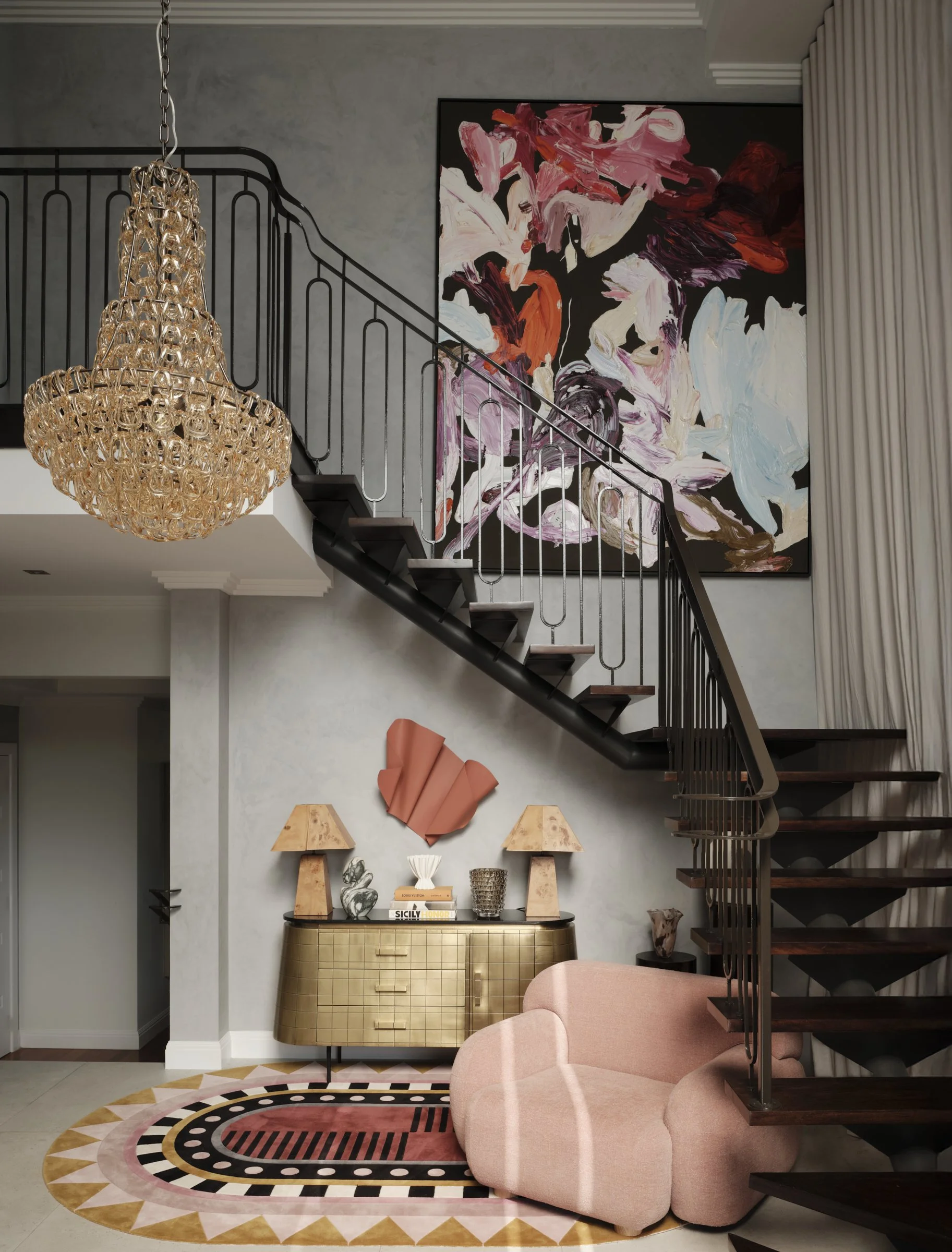
1. Soft Maximalism Takes Centre Stage
Minimalism has been slowly giving way to more expressive interiors, but 2026 will lean into a fresher, more refined version of maximalism: soft maximalism. Think curated colour, layered patterns, and meaningful objects—without the clutter.
Expect to see:
Upholstery in warm clay, olive, ochre, and muted berry tones
Delicate pattern mixing—checks with florals, stripes with geometrics
Vintage-meets-modern styling that celebrates personality
Oversized art and sculptural objects that anchor a room
This is maximalism that feels grown-up, thoughtful, and quietly bold.
2. Earthy Luxury: Materials With Soul
Materials with texture, tactility, and authenticity will define the design landscape. Homeowners are craving pieces that feel handcrafted and long-lasting.
Key materials for 2026:
Travertine (in warmer, honeyed tones)
Oxidised metals: bronze, aged brass, patinaed steel
Limewash, plaster, and clay-finished walls
Recycled plastics with a matte, stone-like appearance
Burl wood, walnut, and oiled oak
The aesthetic is raw but refined—luxury that feels grounded rather than precious.
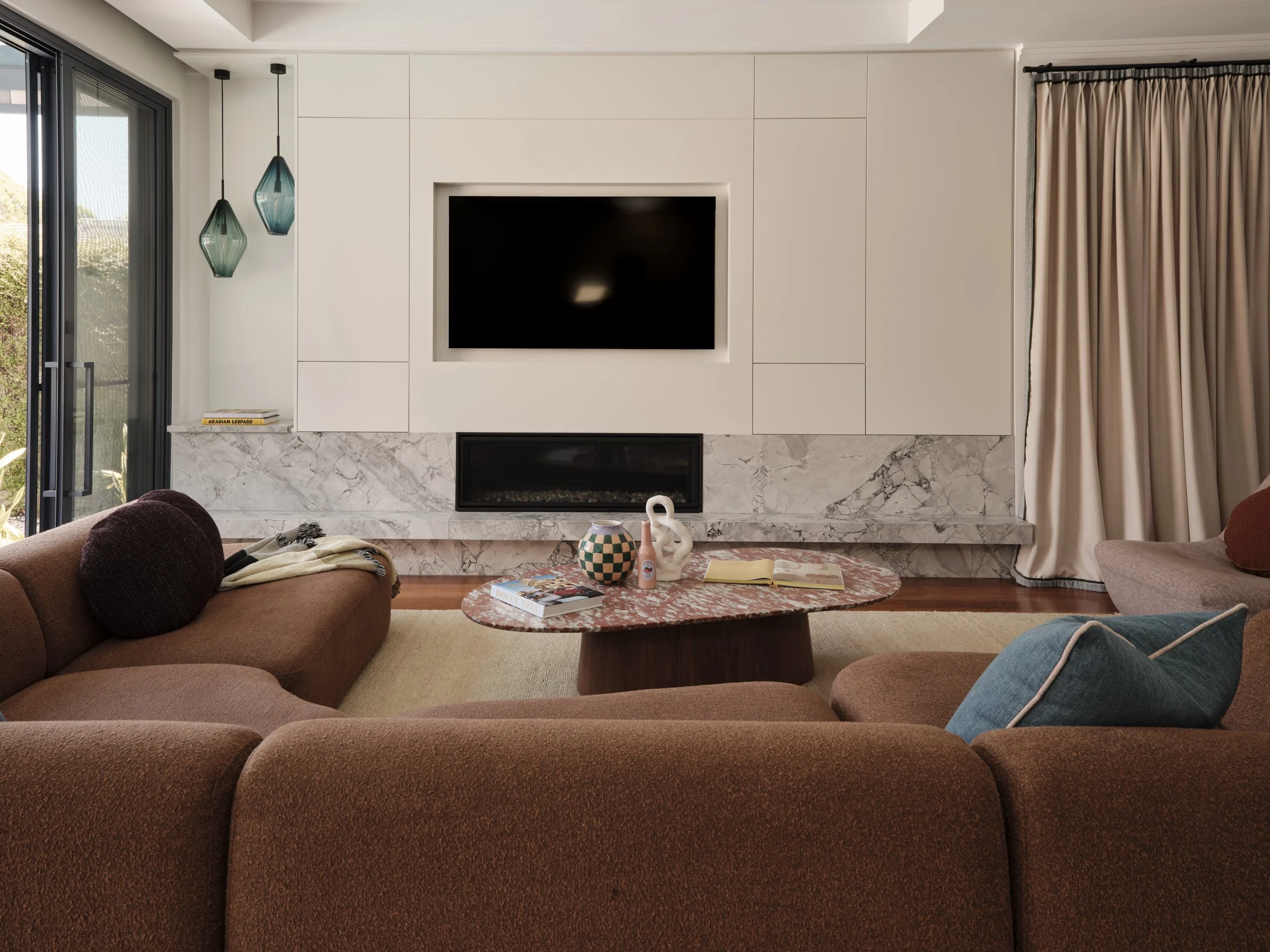
3. Tech-Integrated Living (That Doesn’t Look “Techy”)
Smart-home features will become more invisible and intuitive. Functionality will increase, but the tech itself will retreat into the background. Think:
Concealed charging rails in joinery
Invisible sound systems and micro-projectors
Automated lighting that adjusts to circadian rhythm
Furniture that integrates storage, sound, and charging
A seamless blend of tech and design, supporting the home rather than dominating it.
4. Multifunctional Spaces That Still Feel Beautiful
The way we use rooms continues to evolve. In 2026, multifunctionality becomes more intuitive and aesthetically integrated.
Design shifts include:
Study nooks hidden within cabinetry
Living rooms with modular pieces that adapt for entertaining or relaxing
Guest rooms doubling as creative studios
Flexible children’s spaces that grow with them
It’s less about squeezing in more functions, and more about harmonising them so the space always feels calm and intentional.
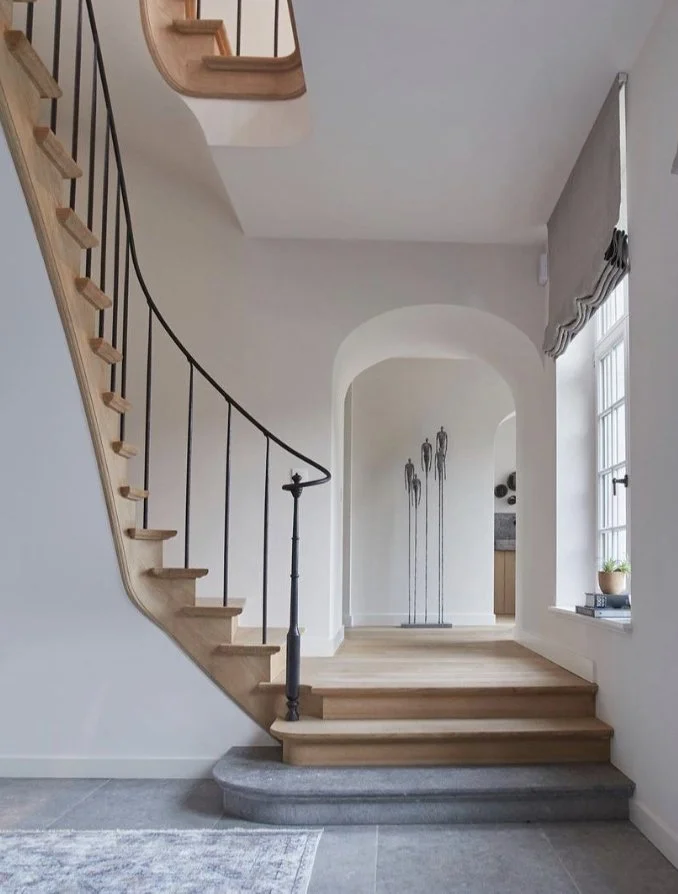
5. Curves Go Architectural
The curve trend isn’t slowing down—it's maturing.Instead of just curved sofas and mirrors, curves will show up in:
Framed openings and hallways
Arched built-in joinery
Rounded kitchen islands
Sculptural stair details
In 2026, curves aren’t an aesthetic statement—they’re part of the architecture.
6. Deep, Moody Colour Palettes Make a Comeback
We’re shifting away from stark whites and into richer, moodier palettes that make a home feel cocooned and intimate.
Hero colours of 2026:
Smoky teal
Forest green
Blackberry
Charcoal brown
French grey
Warm terracotta
Used in cabinetry, walls, upholstery, and even ceilings—colour becomes the emotional anchor of a room.
7. Sustainability Gets Smarter (and More Stylish)
Sustainability moves from buzzword to baseline in 2026. Brands and designers will continue pushing recycled, renewable, and circular materials—not as a compromise, but as a design advantage.
Expect:
Bio-based materials like mycelium and hemp composites
Recycled plastics in high-end finishes
Customisation options that minimise waste
Locally made furniture gaining traction
Clients are more educated and intentional; quality outweighs quantity.
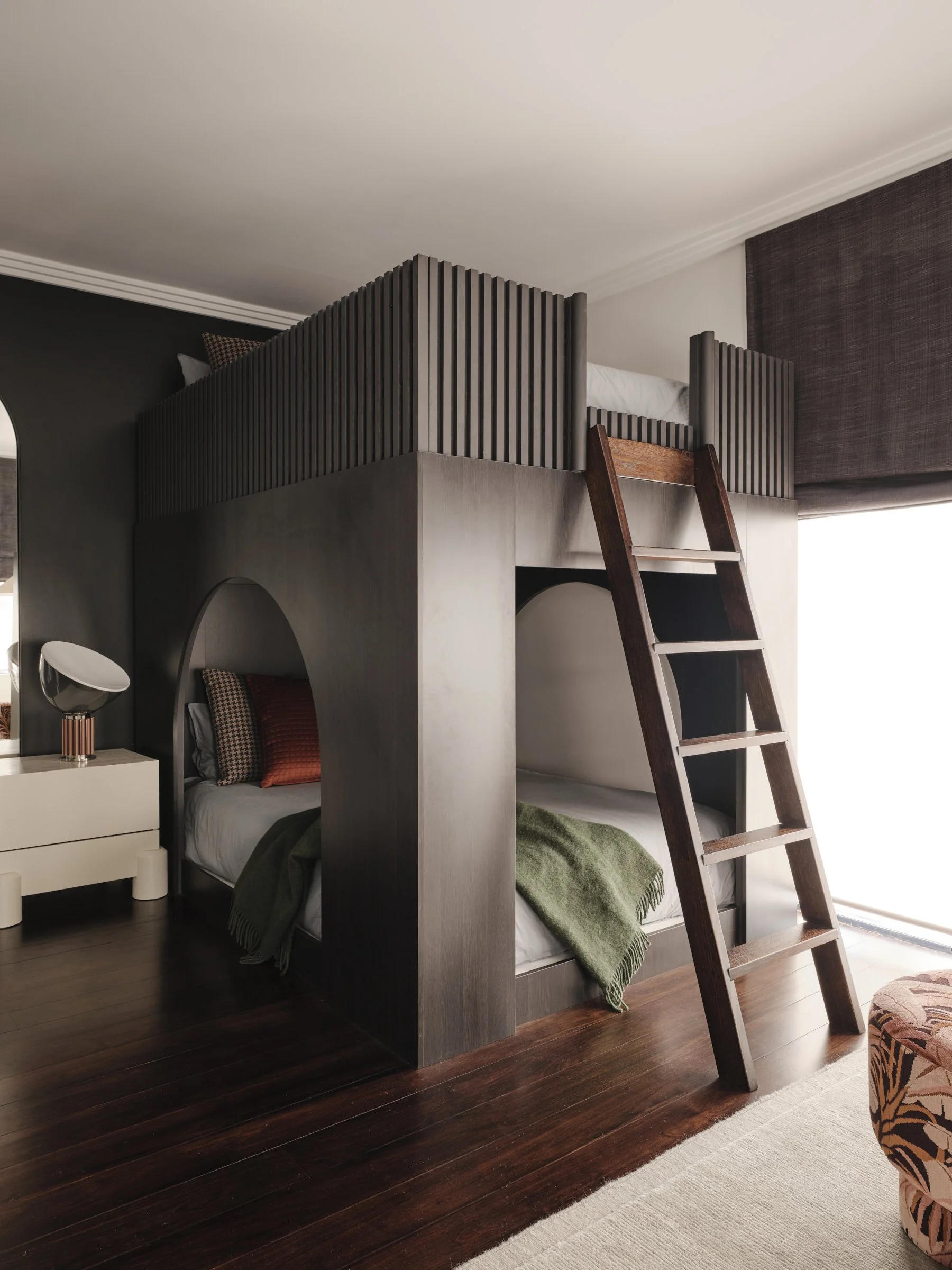
8. The Rise of “Quiet Kid-Core”
Children’s interiors are having a major moment. Instead of loud primary colours, 2026 favours spaces that are playful and design-forward.
Trends include:
Pastel and earthy tones
Mixed materials (wood + recycled plastic)
Customisable modular furniture
Soft curves for safety and style
Decorative details inspired by French vintage with a modern twist
It feels whimsical, but elevated—perfect for families wanting longevity and style.
Final Thoughts
If 2025 was the year of grounding and recalibrating, 2026 is the year of expressing. Homes are becoming more personal, more beautiful, and more intentional. It's about creating spaces that feel uniquely yours—warm, functional, character-filled, and deeply lived-in.
Whether you’re renovating, building, or simply refreshing a corner of your home, the future of design is full of possibility.